
Last updated November 27, 2026. Educational content only, not financial advice. Crypto prices can fall sharply and you can lose money.
Quick answer: What is cryptocurrency? Cryptocurrency is digital money that runs on a blockchain, a shared record kept by thousands of computers instead of a bank. You hold it in a wallet, send it directly to anyone online, and its price is set by buyers and sellers. Bitcoin, launched in 2009, was the first.
- Cryptocurrency is digital money secured by cryptography and recorded on a blockchain.
- No single bank or government controls most cryptocurrencies.
- You control crypto with a private key; if you lose it, you can lose your funds.
- Prices are very volatile, so only invest what you can afford to lose.
How does cryptocurrency work?
Cryptocurrency works by recording every payment on a public ledger called a blockchain.
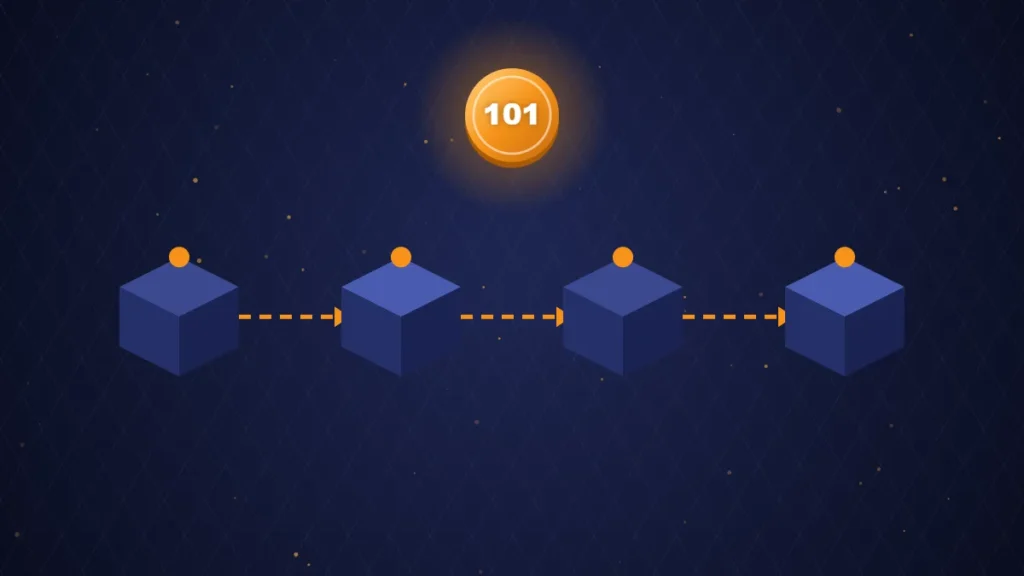
- You send a payment from your wallet to another wallet address.
- Your wallet signs it with your private key, proving the coins are yours.
- The network checks it. Computers called nodes confirm you have the funds.
- It is added to a block. Miners or validators add the payment to the blockchain.
- It becomes permanent. Once confirmed, the payment is very hard to reverse.
Example: Ali sends 0.001 BTC to his brother abroad. No bank is involved, and the payment can arrive in minutes, any day of the week.
Coins vs tokens
- Coins run on their own blockchain, such as Bitcoin (BTC) or Ethereum (ETH).
- Tokens are created on top of an existing blockchain, such as USDT on TRON or UNI on Ethereum.
- Stablecoins like Tether and USDC aim to stay at $1.
What is cryptocurrency used for?
- Sending money abroad quickly and often cheaply.
- Saving in dollars through stablecoins in countries with weak currencies.
- Investing or trading, hoping prices rise.
- Using apps (DeFi) for lending, borrowing and trading without a bank.
- Paying online where merchants accept crypto.
Benefits and risks
| Benefits | Risks |
|---|---|
| Works 24/7, worldwide | Prices can fall 50% or more |
| You can hold it yourself | Lost keys usually mean lost funds |
| Fast transfers across borders | Scams and hacks are common |
| Transparent public records | Rules differ by country and can change |
How to get started safely
- Learn the basics with our beginner guides and glossary.
- Check the rules in your country.
- Use a well-known exchange and turn on two-factor authentication (2FA).
- Start small with an amount you can afford to lose.
- Move long-term holdings to a wallet you control and back up your seed phrase offline.
Example: Sara buys $20 of Bitcoin to learn how it works, sends a small amount to her own wallet, and writes her seed phrase on paper.
Frequently Asked Questions
Is cryptocurrency real money?
It is digital money that people accept by agreement. Some countries treat it as legal property; very few treat it as official currency.
Who controls cryptocurrency?
Most cryptocurrencies are run by networks of computers following open rules, not by one company or government.
Can cryptocurrency be hacked?
Large blockchains like Bitcoin have never been hacked directly, but exchanges, apps and personal wallets are hacked often.
Is cryptocurrency legal?
It is legal in many countries but restricted or banned in some. Check your local rules.
How much should a beginner invest?
Only what you can afford to lose. Many beginners start with a small amount to learn.
Sources
- Bitcoin.org – How Bitcoin works: https://bitcoin.org/en/how-it-works
- Ethereum.org – What is Ethereum: https://ethereum.org/en/what-is-ethereum/
- US SEC – Crypto assets: https://www.sec.gov/securities-topics/crypto-assets
This guide is for education only and is not financial, investment or tax advice. Always do your own research and only invest what you can afford to lose. See our Disclaimer and Editorial Policy.