
Last updated November 27, 2026. Educational content only, not financial advice. Crypto prices can fall sharply and you can lose money.
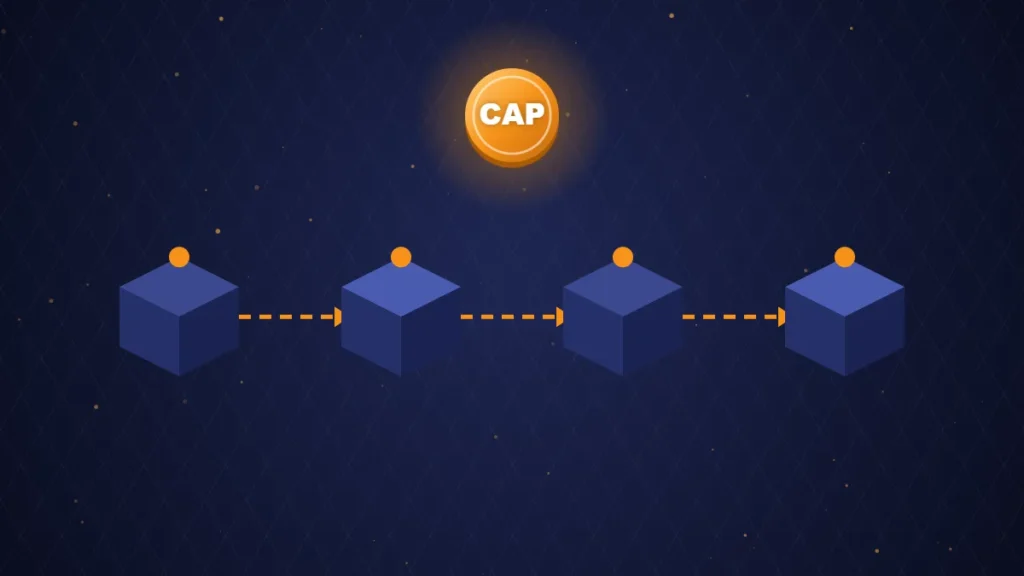
Quick answer: What is market cap in crypto? Market cap is a coin’s price multiplied by its circulating supply, showing its total market value. Tokenomics describes how a token’s supply works: how many exist, how new tokens are created or burned, who holds them and when locked tokens unlock. Together they help you judge whether a price is realistic and where selling pressure could come from.
- Market cap = price × circulating supply.
- A low price per coin does not mean a coin is "cheap."
- Fully diluted value (FDV) shows value if all tokens existed.
- Big upcoming unlocks and concentrated holdings are warning signs.
Market cap explained
Example: Coin A costs $0.01 with 100 billion coins: market cap $1 billion. Coin B costs $50 with 2 million coins: market cap $100 million. Coin A is the larger project, even though each coin is cheaper.
| Term | Meaning |
|---|---|
| Circulating supply | Coins available to trade now |
| Total supply | Coins created so far, including locked ones |
| Max supply | The most that can ever exist (if capped) |
| Market cap | Price × circulating supply |
| FDV | Price × max (or total) supply |
What is tokenomics?
Tokenomics covers:
- Supply cap: fixed like Bitcoin (21 million) or uncapped like Solana.
- Inflation: new tokens created through mining or staking rewards.
- Burns: tokens destroyed, like BNB's quarterly burns.
- Allocation: how much went to the team, investors, community and treasury.
- Vesting and unlocks: when locked tokens become tradable, like Hyperliquid's monthly unlocks.
- Utility: what the token is used for (fees, staking, governance).
Why it matters
- Unlocks can add supply that holders sell.
- High FDV with low circulating supply means many tokens may enter the market later.
- Concentrated holdings let a few wallets move the price.
- Burns or buybacks can reduce supply, but only help if demand holds.
Quick tokenomics checklist
- What is the circulating supply vs max supply?
- What share do the team and investors hold?
- When are the next unlocks, and how big are they?
- Is there inflation, burning or buybacks?
- What real use creates demand for the token?
Frequently Asked Questions
Does a cheap coin have more room to grow?
Not necessarily. Look at market cap, not price per coin.
Is a high market cap safer?
Large coins are usually more established and liquid, but they can still fall sharply.
What is a token unlock?
When previously locked tokens become tradable, often for the team or investors.
Where can I check tokenomics?
On the project's docs, CoinGecko, CoinMarketCap and token unlock trackers.
What is a token burn?
Permanently removing tokens from supply by sending them to an unusable address.
Sources
- CoinGecko – Market cap methodology: https://www.coingecko.com/en/methodology
- CoinMarketCap – Glossary: https://coinmarketcap.com/academy/glossary
- US SEC – Crypto assets: https://www.sec.gov/securities-topics/crypto-assets
This guide is for education only and is not financial, investment or tax advice. Always do your own research and only invest what you can afford to lose. See our Disclaimer and Editorial Policy.